Ranong Port is moving toward becoming a regional logistics hub under Thailand’s Land Bridge project, designed to connect southern China with India and the Indian Ocean while bypassing the congested Strait of Malacca. Private sector stakeholders are urging the government to adopt a “Sandbox” model to test infrastructure readiness, free trade zones, and industrial clusters, laying the foundation for long-term economic growth in Ranong.
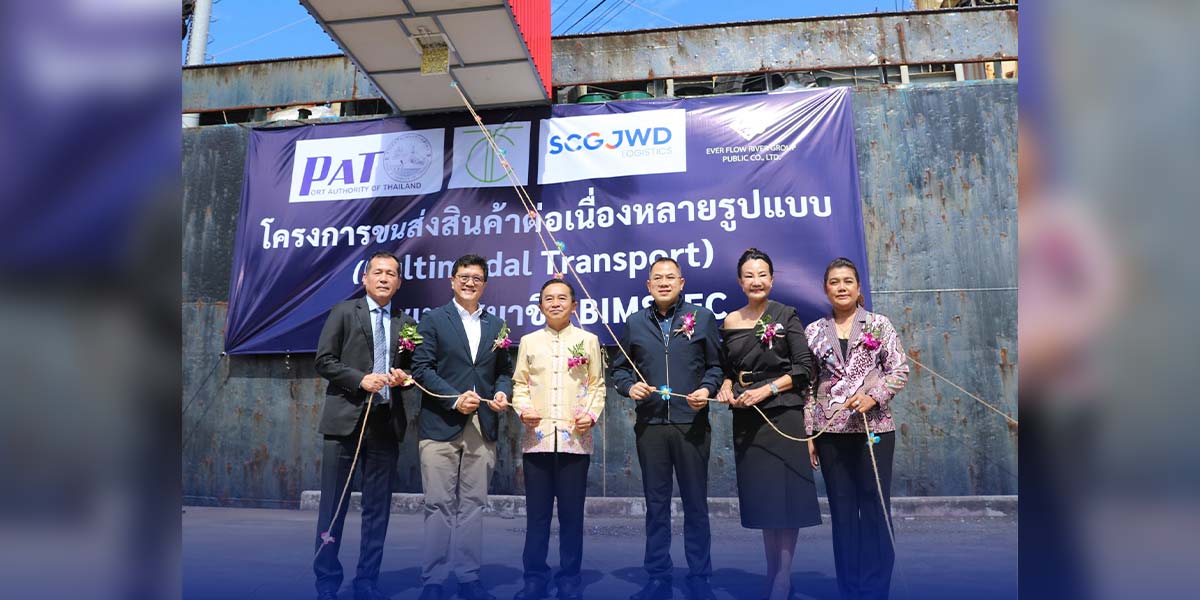
Mr. Kriangkrai Chaiyasirivongsuk, Director of the Port Authority of Thailand (PAT), said Ranong has been strategically positioned as a Multimodal Transport Hub linking southern China to BIMSTEC countries and the wider Indian Ocean. The port is expected to serve two complementary roles: the existing Ranong Port will continue to function as a feeder and regional port for smaller vessels, while the planned deep-sea port under the Land Bridge project will serve as Thailand’s principal maritime gateway for large international container ships.
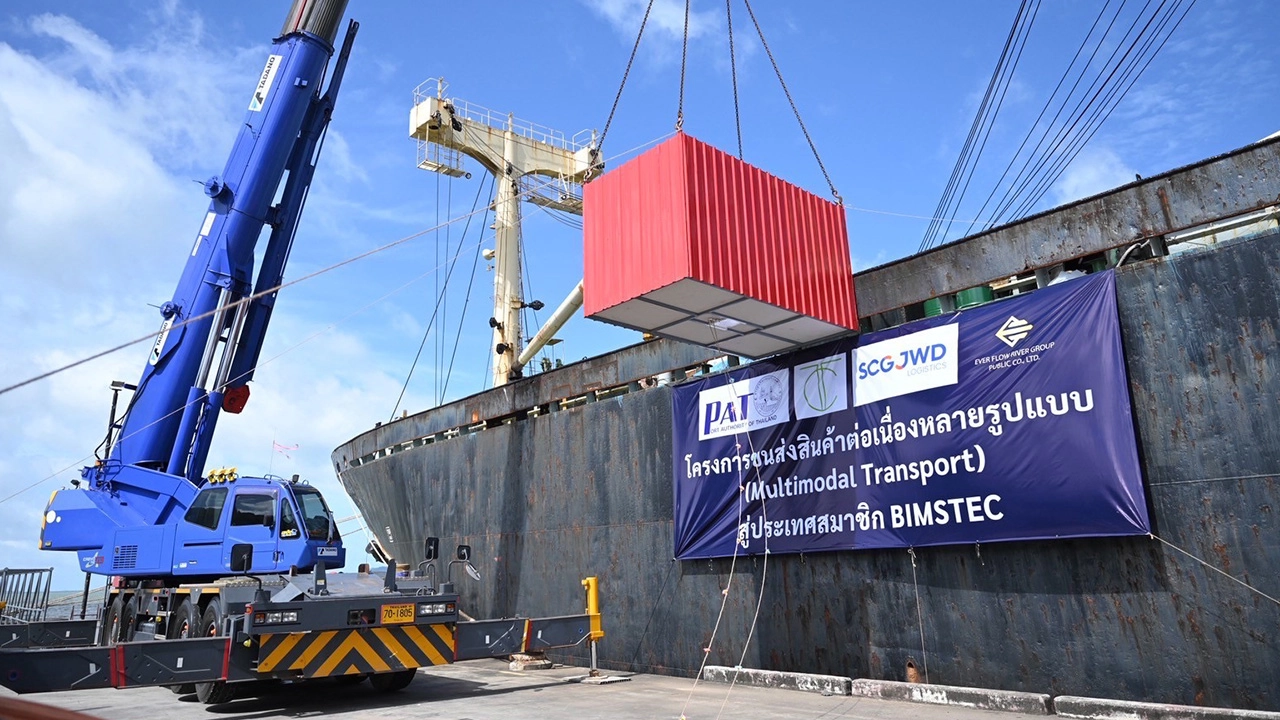
Currently, Ranong Port has a draft depth of around 8 meters, accommodating feeder vessels carrying 50–120 TEUs and servicing key markets such as Yangon and Chittagong. The new deep-sea port, however, is planned with an 18-meter channel capable of handling mother vessels of 3,000–20,000 TEUs. This would give Thailand a world-class Andaman port and provide a vital alternative to the Strait of Malacca.
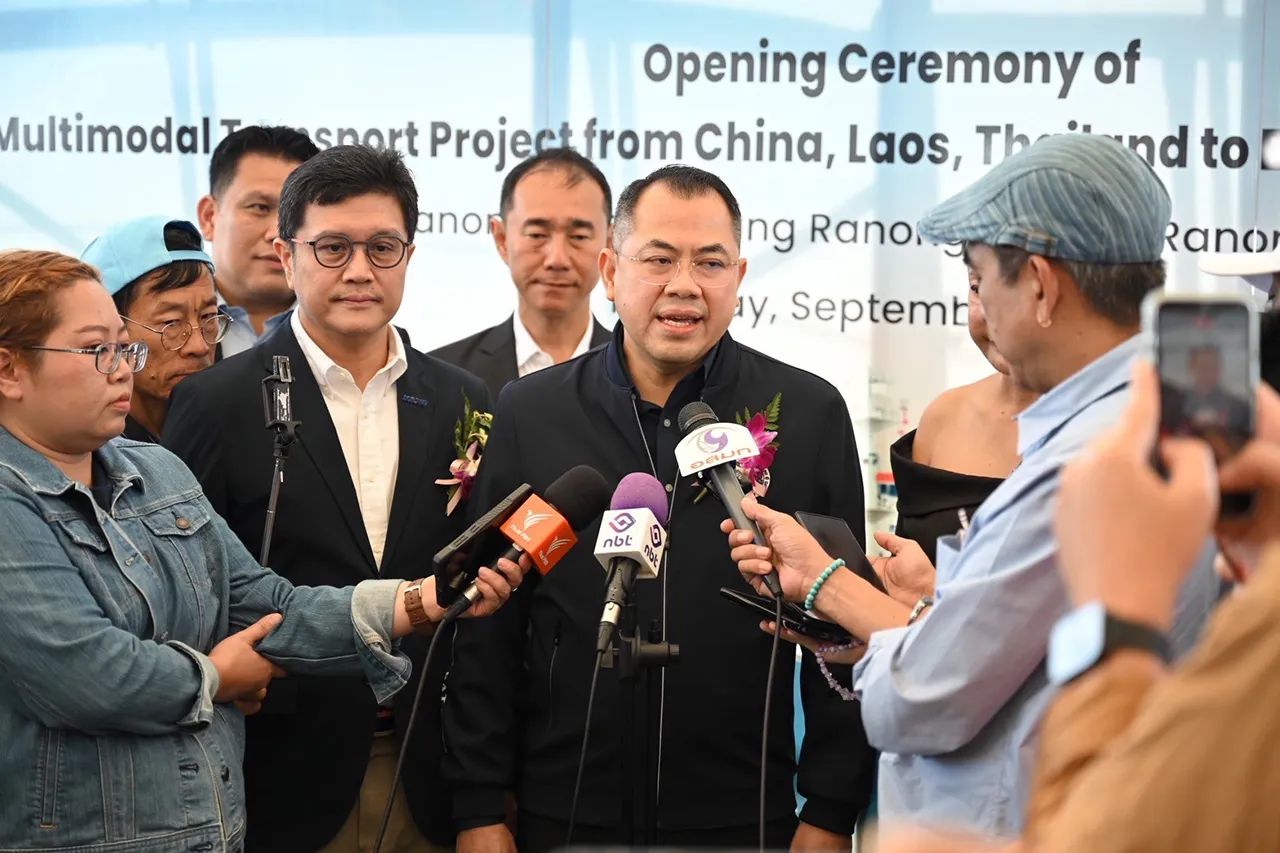
“These two ports are not in competition but complement one another,” Kriangkrai said. “The deep-sea port will focus on intercontinental vessels, while the existing Ranong Port will remain a hub for coastal and regional shipping. The arrival of mother vessels will create downstream demand for cargo redistribution via smaller vessels, making the current port even more active.”
Ranong’s strength lies in its logistics network that directly links southern China. Goods can move by road straight to Ranong or through a rail-road route via Laos and Chumphon before being trucked to the port, cutting transit times to just 2–3 days compared with over three weeks by sea through the Malacca Strait. From Ranong, shipping takes only 2.5 days to Yangon, five days to Chennai, and seven days to Colombo—much shorter than traditional routes.
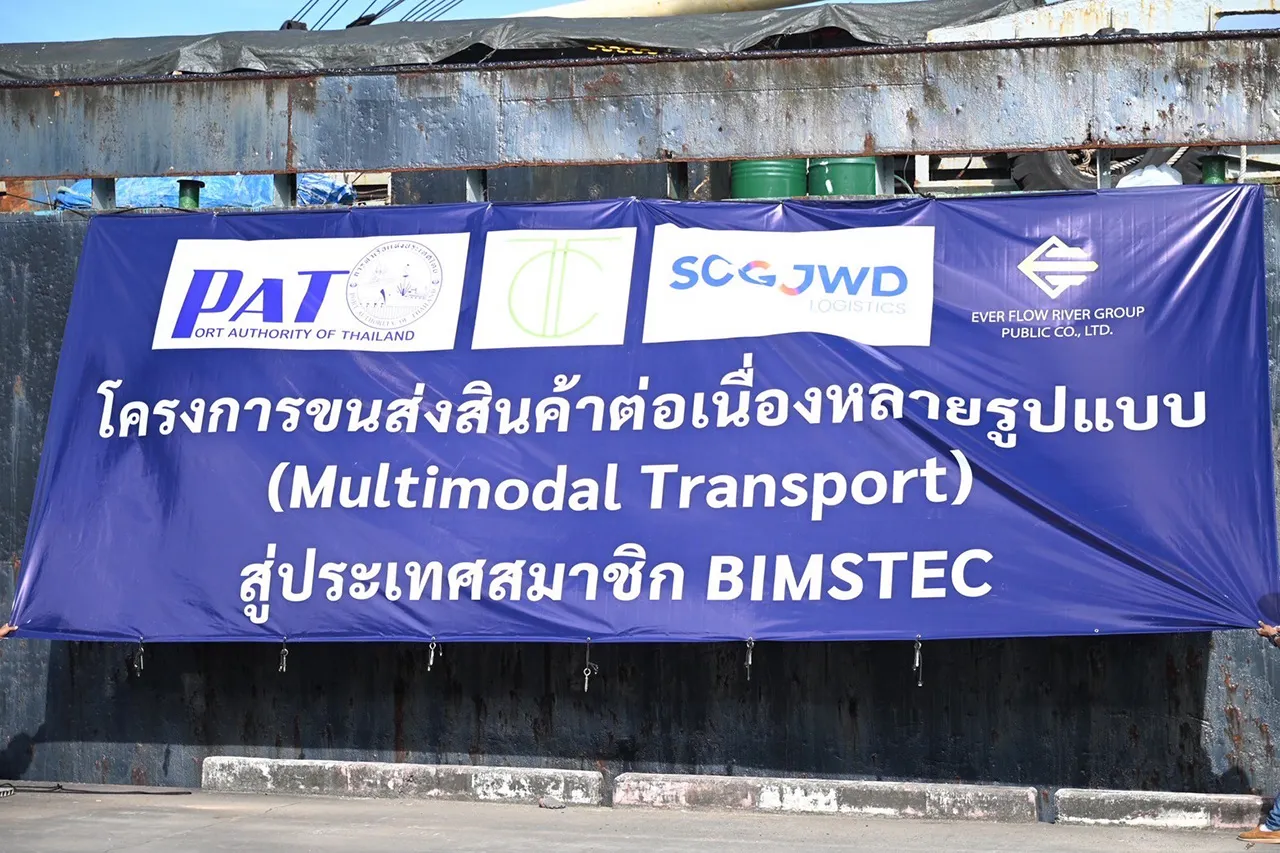
Given these advantages, China has shown strong interest in the Land Bridge and Ranong Port, as the project resolves maritime bottlenecks and connects directly to BIMSTEC markets—home to over one-quarter of the world’s population, including Myanmar, Bangladesh, India, and Sri Lanka. “Ranong is not just another port,” Kriangkrai stressed. “It is the centerpiece of Thailand’s logistics strategy linking southern China with India and the Indian Ocean.”
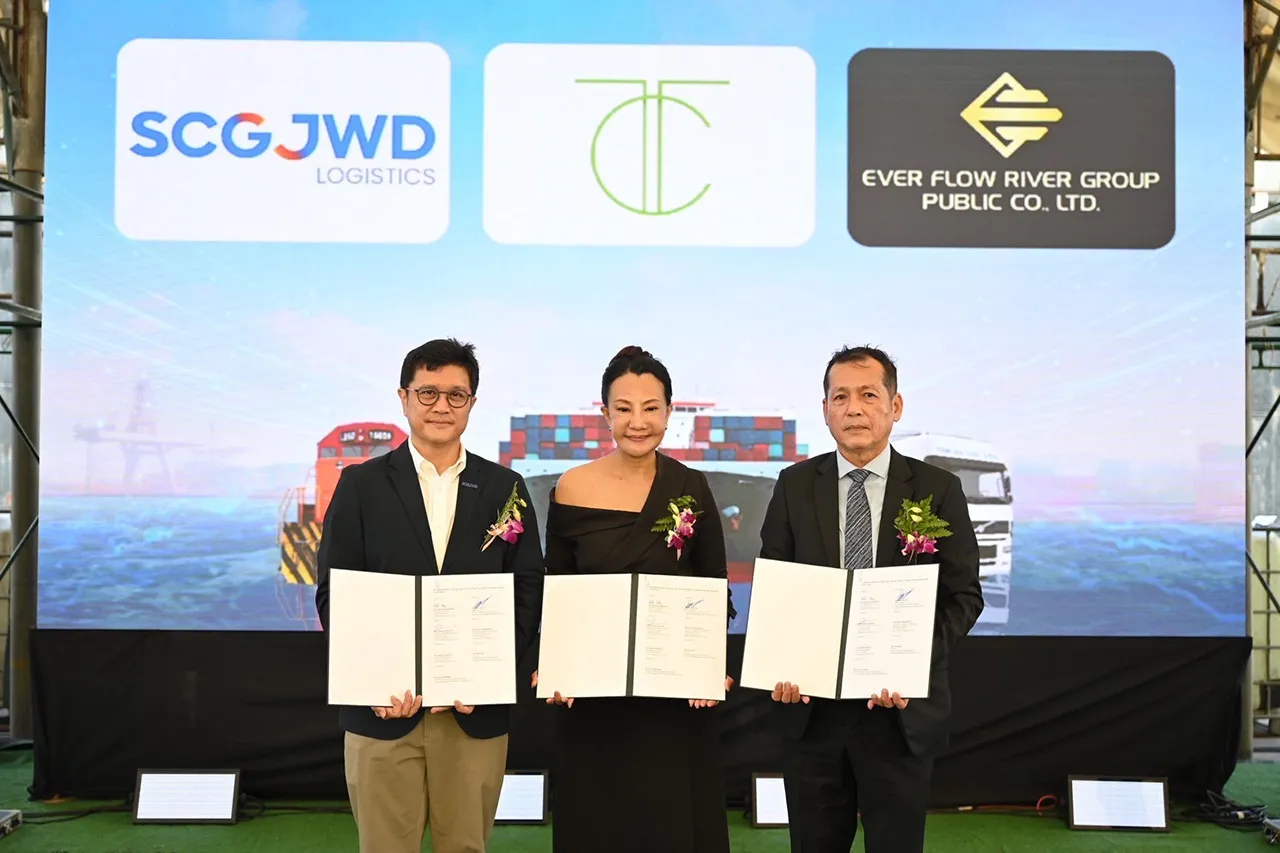
Mr. Natthapoom Paowarat, Senior Director of Trade Development, Business, and Investment at SCGJWD Logistics Plc., added that the private sector views Ranong as the Andaman Gateway Port. He proposed using the current port as a Sandbox to test real routes immediately without waiting for full Land Bridge development. This would prove commercial viability and deepen cooperation with BIMSTEC partners while mitigating global volatility and geopolitical risks.
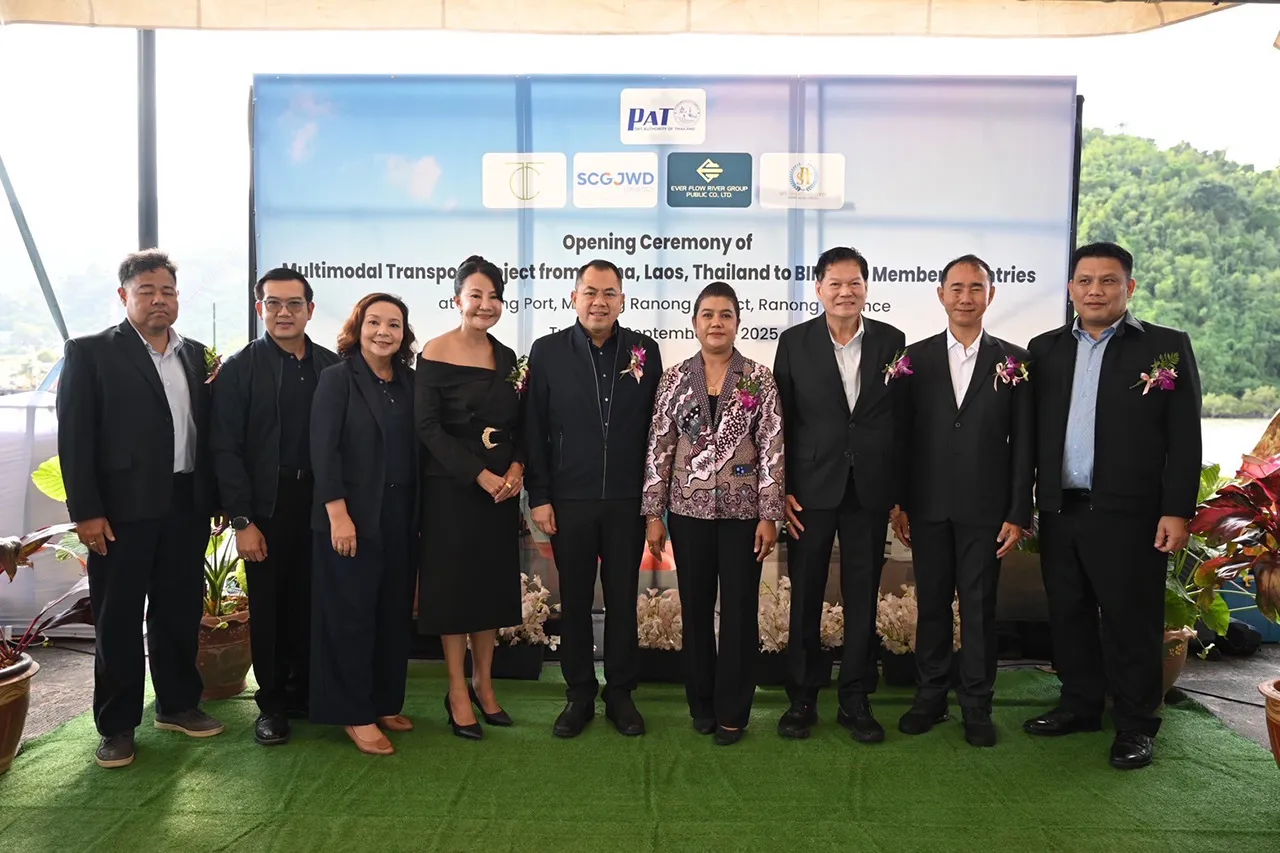
Beyond trade, the project promises significant socio-economic benefits, creating new jobs, spurring logistics-related industries, seafood processing, and manufacturing. With Ranong’s strong potential in the marine sector, the province could emerge as a key economic base in southern Thailand.
He further noted that the project requires coordination across multiple agencies—including Customs, provincial commerce offices, commercial attachés, BOI, and local authorities. Future logistics strategies may also extend to air transport, such as consolidating small cargo lots at Suvarnabhumi Airport for onward shipment through Ranong by sea. This multimodal flexibility would not only establish Ranong as a new trade corridor but also as a powerful engine for regional economic growth, strengthening Thailand’s position in the global marketplace.
Photos and news article from https://www.thairath.co.th/news/governmentpolicy/2884700 (September 23rd, 2025)